Understanding Boundary Laws: Choosing the Best Fencing for Legal Peace of Mind May 02, 2026
Firstly, let’s delve into the basics of boundary laws. These laws govern the limits of your property and dictate where you can legally build a structure or plant a feature. It’s essential to identify your property lines accurately, often requiring a professional surveyor to verify the boundaries. Misjudging these lines can lead to costly alterations or even legal battles with neighbors. Thus, verifying your property lines before beginning any fencing project is a practical first step.
Once your property lines are confirmed, understanding and adhering to local zoning laws and homeowners' association guidelines is vital. These regulations can dictate the height, material, and style of fencing allowed, ensuring uniformity and safety within your neighborhood. Ignoring these regulations can not only lead to hefty fines but also mandates for removal or modification of your fence, which can be an unwanted financial burden.
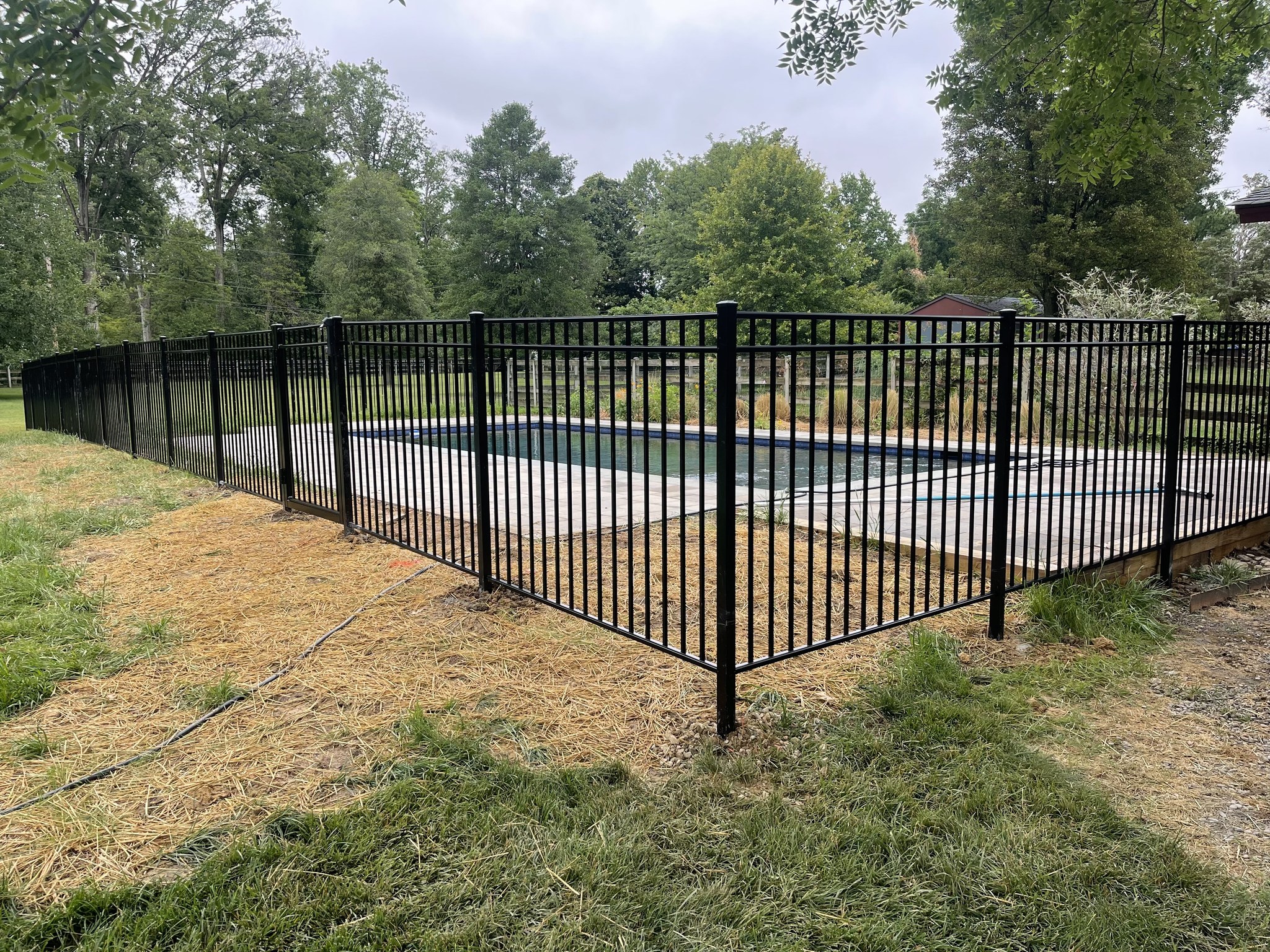
After familiarizing yourself with boundary and zoning laws, it’s time to select the best fencing material. For those prioritizing privacy and security, tall wooden or vinyl fences offer excellent barriers from prying eyes and potential intruders. These materials are durable and come in various styles to suit your preferences. Alternatively, if aesthetics and property enhancement are your focus, wrought iron or ornamental aluminum fences provide a sophisticated touch without compromising on quality or durability.
It's also important to consider your property's topography when choosing fencing. Hilly or uneven terrain poses unique challenges that might require custom solutions, such as stepping or racking techniques, to ensure a level and secure fence installation. Our experts at Williams Fence Company are skilled at assessing and adapting to such challenges, ensuring you receive a fence that fulfills both functional and legal requirements.
Communication with neighbors can also play a critical role in your fencing project. While you may have the legal right to erect a fence on your property line, discussing your plans with adjacent property owners can prevent misunderstandings and foster good neighborly relations. Transparency about your design and timeline can often lead to collaborative decisions that may benefit all parties involved.
As you finalize your fencing plans, remember to obtain any necessary permits. Most municipalities require permits for fences over a certain height, and non-compliance can lead to penalties or forced removal. Our team at Williams Fence Company is well-versed in local permit requirements and can guide you through this process, easing any stress associated with legal compliance.
In conclusion, while fence installation might seem straightforward, taking the time to understand boundary laws and regulations can save you considerable hassle and expense. Williams Fence Company is dedicated to providing not only exceptional fencing solutions but also peace of mind that your investment is legally secure. Let us partner with you to ensure that your new fence is both a beautiful and compliant addition to your property.