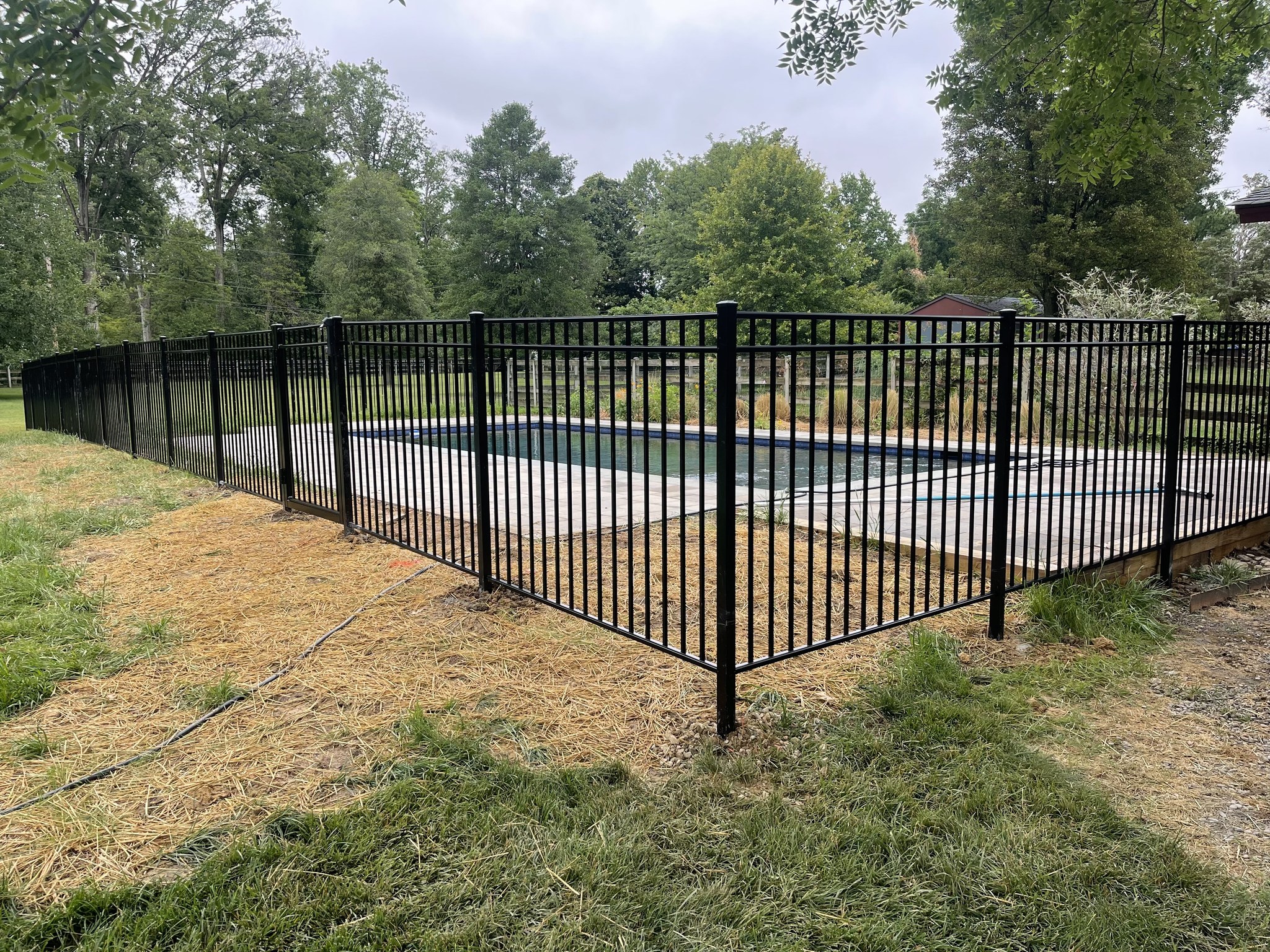
Smart Aesthetics: Integrating Modern Fence Design with Landscape Architecture May 20, 2026
When approaching the integration of fencing with landscape architecture, the choice of materials plays a crucial role. Contemporary trends often lean towards sustainable materials that offer durability and visual appeal. For instance, bamboo and recycled steel are popular for their environmental benefits and stylish look. Wood, a timeless favorite, can be designed in minimalist or ornate styles, depending on the overall aesthetic you wish to achieve. Each material brings its own charm, helping to set the tone for the entire landscape.
The design aspect of modern fencing is where function meets creativity. Horizontal slats and vertical panel arrangements can either draw the eye across the horizon or elevate sightlines toward the sky. This approach plays a part in optical illusions, making small gardens appear larger or tall structures appear more grounded. Additionally, incorporating lighting features into your fence can accentuate both structures and plants, providing a cozy glow during evening hours and enhancing security.
Color theory also factors significantly into modern fence design. Painting fences in shades that complement natural surroundings or the architectural features of one’s home can create a harmonious blend. Lighter tones may reflect light and make a space feel larger, while darker shades can lend an element of drama and sophistication. For those who prefer a more natural look, clear stains or sealants can enhance the inherent beauty of the material.
Beyond the purely visual aspects of fence design, it’s important to consider the functional aspects that influence a landscape’s usability. Privacy and security are often primary concerns for homeowners. A well-structured fence design, incorporating contemporary locking mechanisms and height considerations, can offer peace of mind without sacrificing style. Furthermore, strategic placement of gates and access points ensures convenience and fluidity in movement between outdoor spaces.
Wind, noise reduction, and shade creation are other functional elements influenced by your fencing design. For example, solid fences can reduce wind effects, allowing more delicate plants to flourish, while slatted designs may allow just enough breeze for comfort without sacrificing protection. By choosing materials and styles that accommodate these factors, you can create a more comfortable and energy-efficient space.
Concluding your design journey with a visit to Williams Fence Company can ensure that all these elements come together seamlessly. Our team works diligently to understand your unique space and needs, providing personalized solutions that marry practicality with elegance. Whether it's traditional wood or cutting-edge composite materials, our selection is vast and diverse, tailored to transform your vision into reality.
In summary, the integration of modern fence design with landscape architecture is about crafting a cohesive and functional outdoor space that resonates with one's personal style while boosting property value. With thoughtful planning, strategic material selection, and professional guidance, you can achieve a fence that is not only a property line but also a design feature that enhances your entire outdoor environment.