Revamping Historic Homes: Choosing Fencing That Honors Traditional Architecture Jan 22, 2026
The journey to finding the perfect fence for a historic home begins with understanding the architectural period of the property. Each era has its distinctive features and styles, from the ornate Victorian to the simple Colonial. Knowing what era your home belongs to can guide your choice of materials and design. For example, wrought iron fences are a popular choice for Victorian homes due to their intricate detailing, whereas Colonial homes often are better paired with wooden picket fences that reflect simplicity and charm.
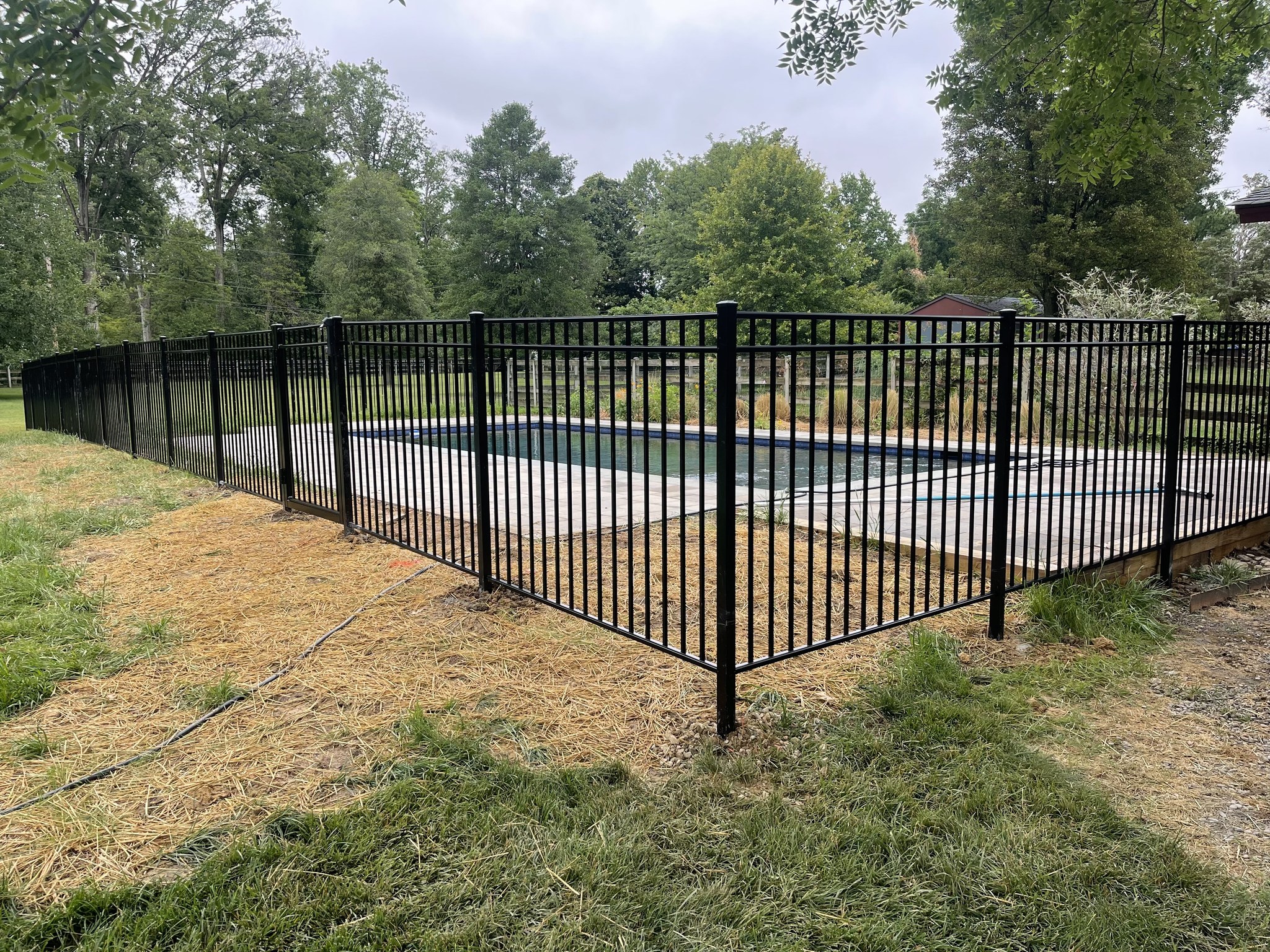
Material is a crucial consideration in maintaining the authenticity of a historic home’s features. Wood is a timeless choice that offers both durability and a classic appearance. It can be painted or stained to match the color palette of your home. Cedar and redwood are popular for their resistance to rot and pests, ensuring your investment is long-lasting. On the other hand, wrought iron offers an elegant solution, providing security without obstructing the view of your historic landscape. Modern technology has also introduced materials like vinyl and composite that mimic traditional appearances while offering lower maintenance requirements.
Design is another critical factor in complementing traditional architecture. Ornamental and decorative features can tie in the overall aesthetic, reflecting the detailed craftsmanship prevalent in historic homes. It's essential for the design of the fence to mirror aspects of the home's trim and molding. This can sometimes be achieved by working with a custom fencing service, which can tailor an aesthetically pleasing solution that honors the architecture.
Local regulations and historical preservation guidelines are important aspects to consider and navigate. Many historic districts have specific rules regarding the type of fence you can install, which aim to preserve the historical integrity of the area. Before proceeding with your fencing project, consult with a local historian or preservationist and review municipal codes to ensure compliance. Williams Fence Company can assist in understanding these rules and can help navigate local zoning laws to ensure your new fence is both legally compliant and historically sympathetic.
Maintenance and restoration are key in keeping your fence looking as charming as your home. Restoration of original fencing, if it exists, should be carefully considered. In some cases, restoring an old fence can be more cost-effective and maintain historical value. Regular maintenance like painting, staining, and inspections for damage or decay will prolong the life of your fence and keep it in harmony with your home.
In conclusion, choosing a fence for a historic home is a delicate balance that requires respect for both the historical significance and the practical needs of today’s homeowner. At Williams Fence Company, we are dedicated to helping you select and install a fence that respects your home's past while providing modern functionality. By understanding the architecture, considering materials and design, and working with experts in historic preservation and fencing, you can create a seamless addition to your home’s timeless appeal.