Modern Fencing Materials: Eco-Friendly and Cost-Effective Choices for 2023 Jan 08, 2026
In recent years, there has been a significant shift towards sustainable building materials across all sectors, including fencing. This trend reflects a growing consciousness about the environmental impact of our choices. Modern fencing materials today not only meet stringent environmental standards but are also designed to be durable and visually appealing.
One of the most popular eco-friendly fencing materials is bamboo. Bamboo is renowned for its rapid growth rate and regenerative properties, making it a sustainable choice. It can be harvested without causing long-term environmental damage, and its natural appearance offers a beautiful alternative to traditional wood fences. Not only does bamboo require less maintenance, but it also brings a sense of tranquility and aesthetic appeal to any property.
Another innovative material gaining traction is recycled composite fencing. Composed primarily of reclaimed wood, plastic, and other materials, composite fences are an excellent choice for those seeking durability without compromising on sustainability. These fences resist rot and insect damage significantly better than traditional wooden fences and require far less maintenance, ultimately reducing costs over time. This makes composite materials not only an eco-friendly option but a cost-effective one, too.
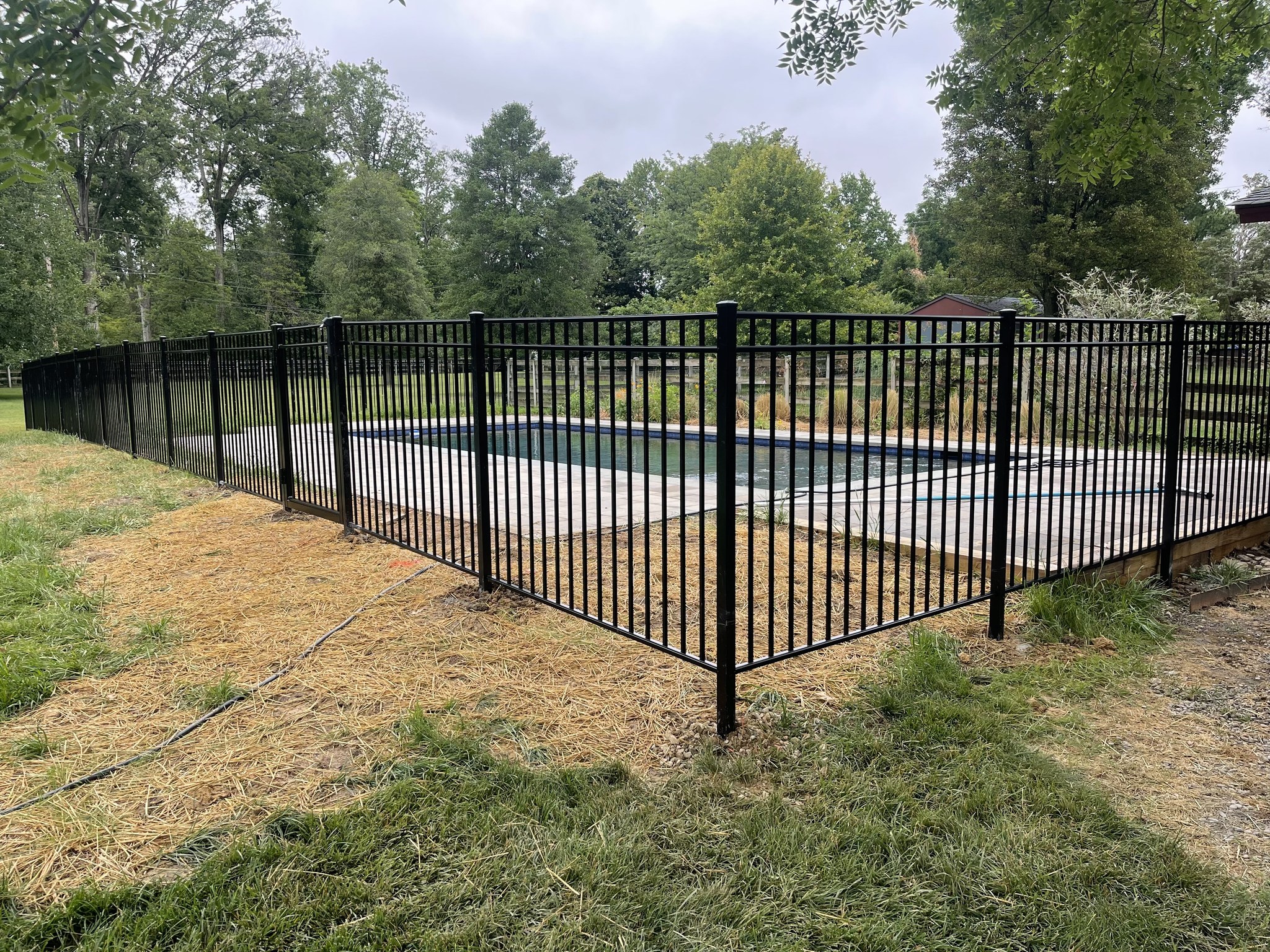
Moreover, metal fencing options, such as aluminum, are being increasingly recognized for their environmental and economic advantages. Aluminum fences are made from recycled materials and are themselves recyclable, reducing their overall carbon footprint. They offer strength and longevity while requiring very little maintenance. Importantly, aluminum doesn't rust like other metals, ensuring your fence remains robust and attractive for years to come.
Vinyl fencing, though often overlooked in eco-friendly discussions, has seen a renaissance thanks to recent technological advancements. The production of vinyl now incorporates more sustainable practices, and because these fences are long-lasting and nearly maintenance-free, they provide excellent financial value over their lifespan. Furthermore, vinyl is infinitely recyclable, offering a looped lifecycle that supports sustainability initiatives.
As consumers become more environmentally conscious, it is critical to consider the entire lifecycle of fence materials, from production to installation and eventual disposal. At Williams Fence Company, we encourage our customers to weigh their options carefully, considering both immediate and long-term impacts on the environment and their budgets. By choosing materials that balance eco-friendliness with cost-effectiveness, homeowners can ensure they are making a decision that meets their needs today while preserving resources for generations to come.
In conclusion, selecting modern fencing materials is about finding a balance between sustainability, cost, and aesthetics. Whether you opt for bamboo, recycled composites, aluminum, or the increasingly efficient vinyl, the options available today ensure you can make a responsible choice without sacrificing quality or style. At Williams Fence Company, our goal is to provide solutions that empower our clients to make informed decisions that align with their values and financial plans. Let's work together to build a greener, smarter future with modern fencing solutions that suit your unique needs in 2023 and beyond.