Fence Installation for Energy Efficiency: How Quality Fencing Can Impact Your Bills Jan 01, 2026
Starting with the basics, homes lose energy through various means, particularly through doors, windows, and even walls. While many focus on upgrading insulation to reduce energy loss, they often overlook how a strategic fence installation can complement these efforts. Fences play a part in controlling the microclimate around your home, offering an extra layer of protection against the elements, which in turn can boost the energy efficiency of your property.
A fence serves as a windbreak, reducing the chilling effects of wind during colder months. Wind can strip away the warm air from the exterior of your house, forcing your heating system to work harder to maintain indoor comfort. By installing a robust fence, you can effectively block or channel wind patterns around your home, thereby reducing heat loss. This is particularly valuable in open or rural areas where wind exposure is significant.
Moreover, the right type of fencing can provide shade and reduce solar gain in the hotter months. While sunlight is usually welcome, excessive exposure elevates indoor temperatures, causing air conditioning systems to consume more energy. Strategic positioning of fences, especially those featuring vine-laden trellises or panels, can reduce direct sun exposure to lower sections of your home, keeping it cooler naturally.
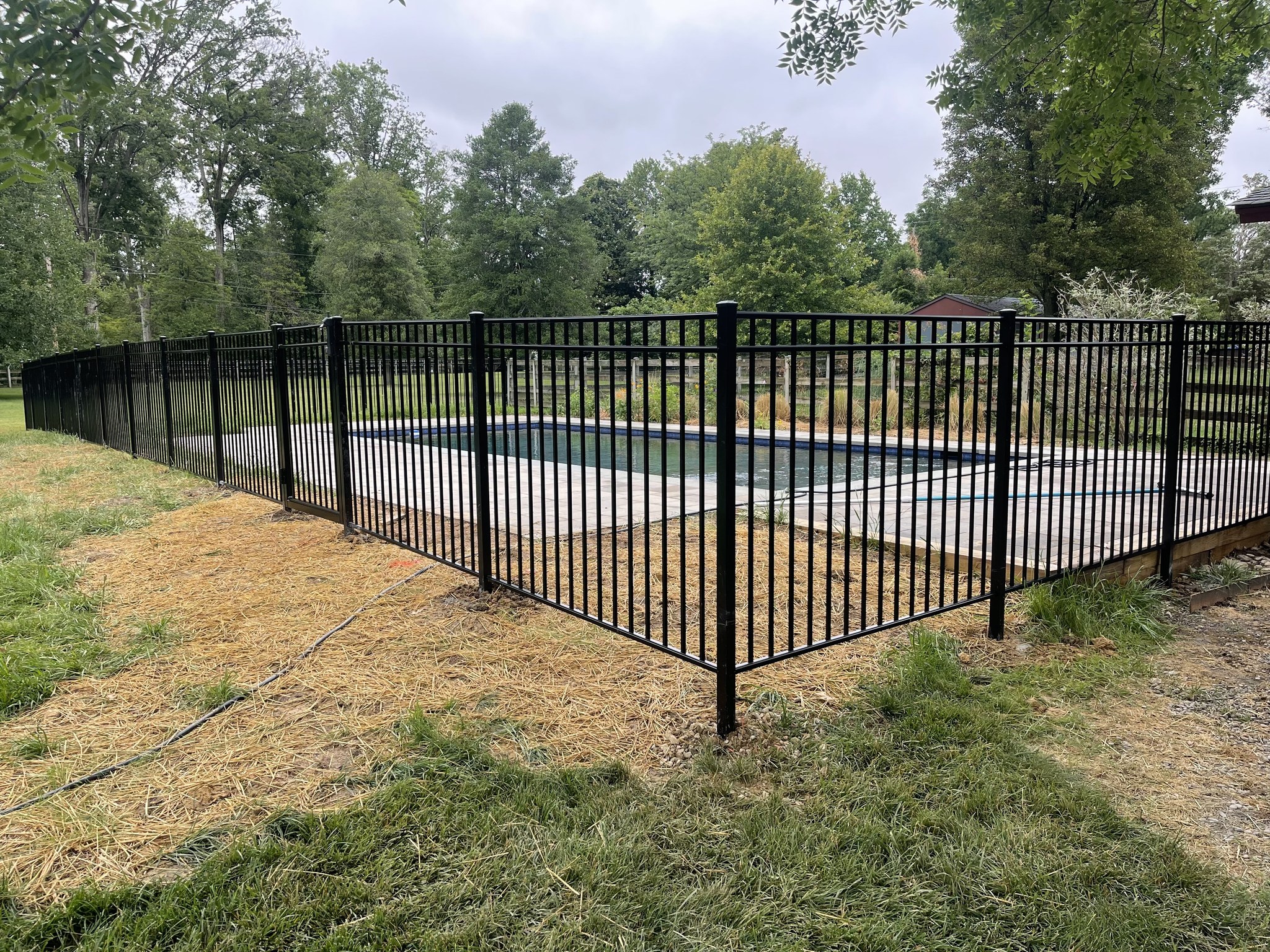
Privacy fences, typically made of wood or vinyl, are particularly efficient in this regard. They serve as physical barriers to wind and direct sunlight. On the other hand, metal or chain-link fences can be equipped with additional elements to enhance their efficiency—adding climbing plants or screens can transform them into effective energy-saving installations.
The materials used and the design of the fence are crucial in determining its effectiveness for energy savings. Wood is an excellent insulator, and its composite build provides a more significant thermal barrier than metal alone. However, combining metal fences with densely planted greenery can also offer substantial benefits.
Aside from energy implications, investing in a quality fence can also increase the aesthetic appeal and value of your home. This is another reason why partnering with a professional company like Williams Fence Company is beneficial. Their expertise ensures that your fence is not only installed to optimize energy efficiency but also complements your home's design.
In conclusion, while often overlooked, fence installation is a strategic asset in improving your home's energy efficiency. By providing insulation, reducing wind chill, and managing solar gain, fences installed by experts can lower your energy consumption and thus your bills. As homeowners become more focused on sustainable living, considering the broader roles outdoor installations like fences play is increasingly important. Investing in a quality fence is not just about boundaries; it's about contributing to a more energy-efficient, comfortable, and cost-effective home environment. Contact Williams Fence Company today to explore how you can enhance your property with energy-efficient fencing solutions.