Enhancing Biodiversity: How Creative Fencing Can Support Local Wildlife May 31, 2026
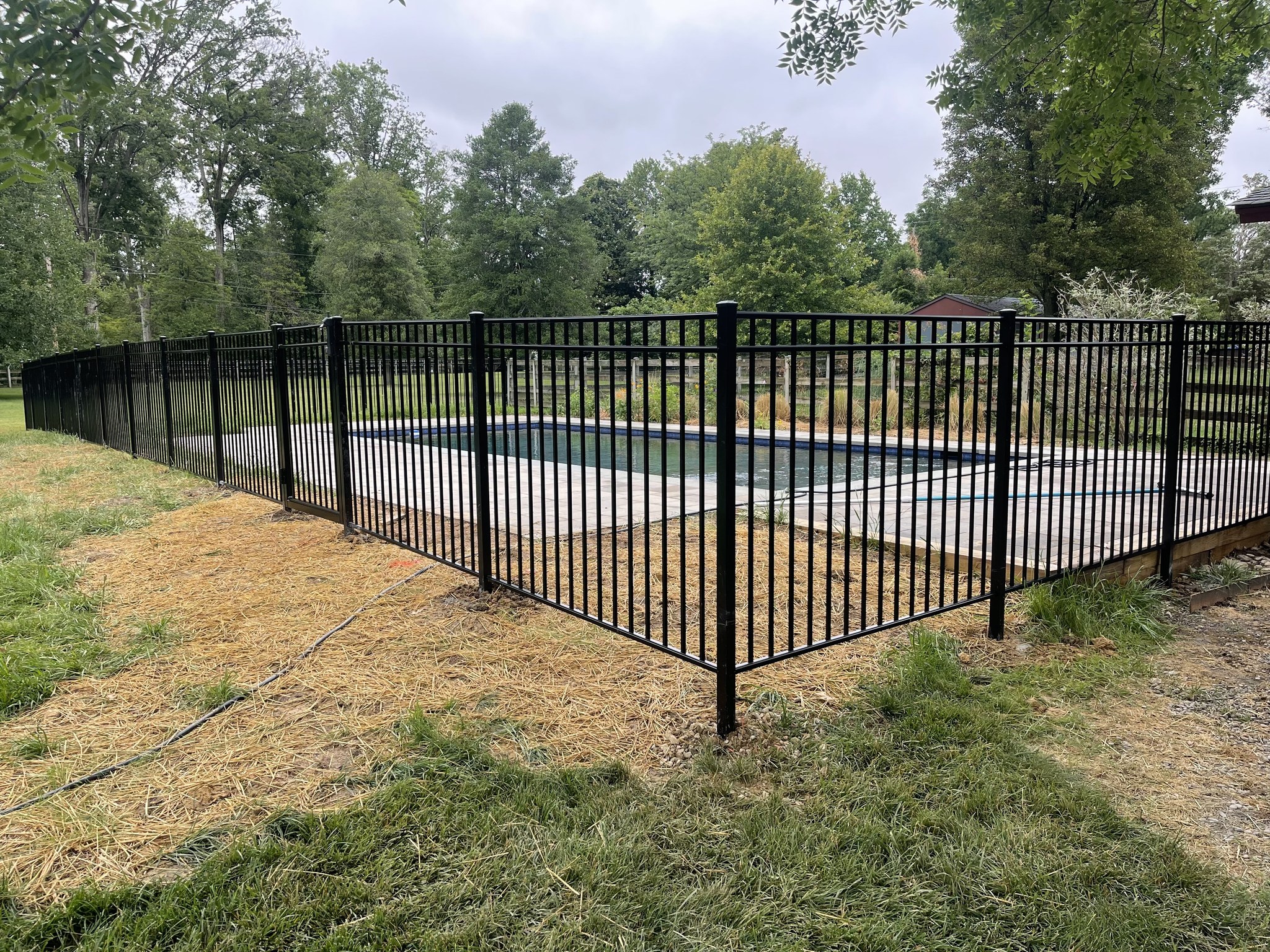
Understanding the ecological impact of your fence is the first step. Traditional fencing materials and styles may inadvertently block wildlife from accessing essential habitats. However, by opting for wildlife-friendly fencing solutions, property owners can support local ecosystems. For example, using spaced pickets or incorporating gaps in the lower portion of the fence allows small animals to pass through safely. These small alterations make a significant difference in encouraging wildlife movement.
Native plants and strategic landscaping can further complement your fencing. By planting vegetation that thrives in your area, you provide necessary food and shelter for local wildlife. Incorporating climbing plants like native vines or ivy onto fences can also offer birds and insects a natural habitat. Choose species that are non-invasive and beneficial to your region's ecological balance to maximize your efforts.
Height and material choice play a crucial role in creating fences that support local biodiversity. Consider using eco-friendly materials like bamboo or reclaimed wood. These options not only reduce environmental impact but also naturally blend with the surroundings, making your garden more inviting for wildlife. When planning the height of your fence, think about the species you aim to attract. Taller fences may deter some wildlife while shorter ones can enable both flight and ground-dwelling animals easier access.
Adding design features such as birdhouses, bee hotels, or bat boxes to your fencing can actively support biodiversity. These features provide essential nesting and roosting sites, encouraging beneficial insects and birds to make your yard their home. Williams Fence Company offers custom installations to seamlessly integrate these elements into your fencing design. Not only do these additions support wildlife, but they also enhance the visual appeal of your property.
Water features near your fencing can also enhance habitat value. A small pond or birdbath attracts a variety of species by offering a reliable water source. Position these features strategically to ensure they do not become dumping grounds for fallen leaves or debris that can disrupt water quality. Fencing can help outline these water features, directing wildlife safely to and from the area.
While encouraging biodiversity is beneficial, it's important to maintain a balance to prevent overpopulation of any species. Monitor and manage the species visiting your yard to ensure a healthy ecosystem. Regular inspections and maintenance of your fence are necessary to keep it safe and functional for both wildlife and your property.
In conclusion, creatively designed fencing from Williams Fence Company can be a vital component in enhancing biodiversity on your property. By incorporating wildlife-friendly materials, strategic vegetation, and thoughtful design features, you can transform your yard into a sanctuary for local wildlife. Not only does this approach support environmental health, but it also contributes to a natural beauty that enriches your living space. Through conscious decisions and well-planned fencing, you can make a significant impact on your local ecosystem while enjoying the benefits of a vibrant, eco-friendly garden.