Creating Community Spaces: Designing Fences for Public Parks and Shared Gardens Jan 06, 2026
Fences are not mere barriers; they are essential components that define the boundaries and enhance the aesthetics of a park or garden. In designing these spaces, it’s important to consider both the functional and aesthetic aspects of the fences. The right fence can provide security, manage foot traffic, protect gardens from wildlife, and contribute to the overall design theme of the area.
When designing fences for public parks, the balance between accessibility and safety is paramount. Parks serve as a recreational haven where children play, families gather, and individuals seek a peaceful retreat. Fences can help define these areas, keeping children safe and creating designated zones for different activities while ensuring easy access for all visitors. High visibility is also crucial in these settings, ensuring that parents can keep an eye on their little ones.
Shared gardens, meanwhile, require a different approach. These community-driven projects are often about sustainability and collaboration. Fencing in these spaces promotes security, protecting the plants from both animals and vandalism, while also creating a sense of ownership among community members. Options like trellis fencing allow for plant growth, which enhances green aesthetics and supports the garden’s ecosystem.
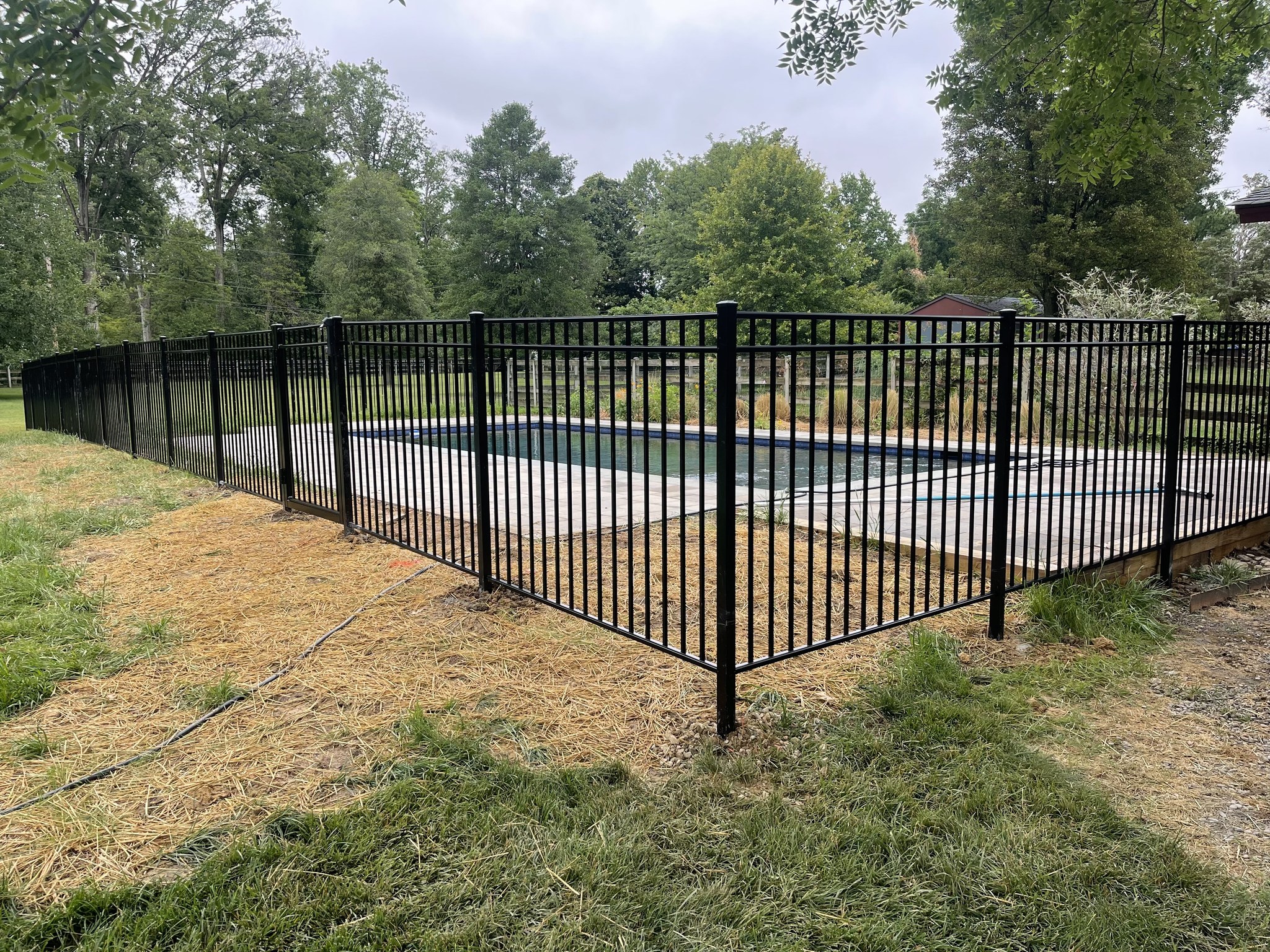
One advantageous material for public park and garden fences is powder-coated steel or aluminum. These materials are durable, weather-resistant, and require minimal maintenance, making them ideal for spaces that experience a lot of interaction and exposure to the elements. Wood, though traditional and aesthetically pleasing, might require more maintenance, but it provides a warm and natural appearance that blends beautifully with greenery.
Incorporating sustainability into fence design is another trend worth considering. Features like recycled materials or those that accommodate greenery can enhance the environmental friendliness of a community space. Permeable fences, which allow wind and small wildlife to pass through, are also a practical choice for eco-conscious projects.
In urban environments where space is at a premium, multi-functional fencing options can maximize usability. Benches built into the fence line or integrated planter boxes can provide additional seating and enhance plant growth. These stylish yet functional additions transform the fence from a simple boundary marker to an interactive element of the park or garden.
When collaborating with community leaders and park designers, it’s essential to engage with the people who use the space. Understanding the community's needs and preferences can drive the choice of materials, design, and placement of fences, ensuring the finished project serves its purpose and enhances the user experience.
In conclusion, designing fences for public parks and shared gardens is about more than just establishing boundaries. It’s about creating inviting and safe environments that foster community interaction and cater to diverse needs. At Williams Fence Company, we consider every aspect of functionality, aesthetics, and sustainability to provide fence solutions that enhance community spaces. By thoughtfully integrating these elements, communities can enjoy parks and gardens that serve as the heart of urban interaction and leisure.