Choosing Between Fencing Styles: How to Match Your Home's Aesthetic Jul 02, 2026
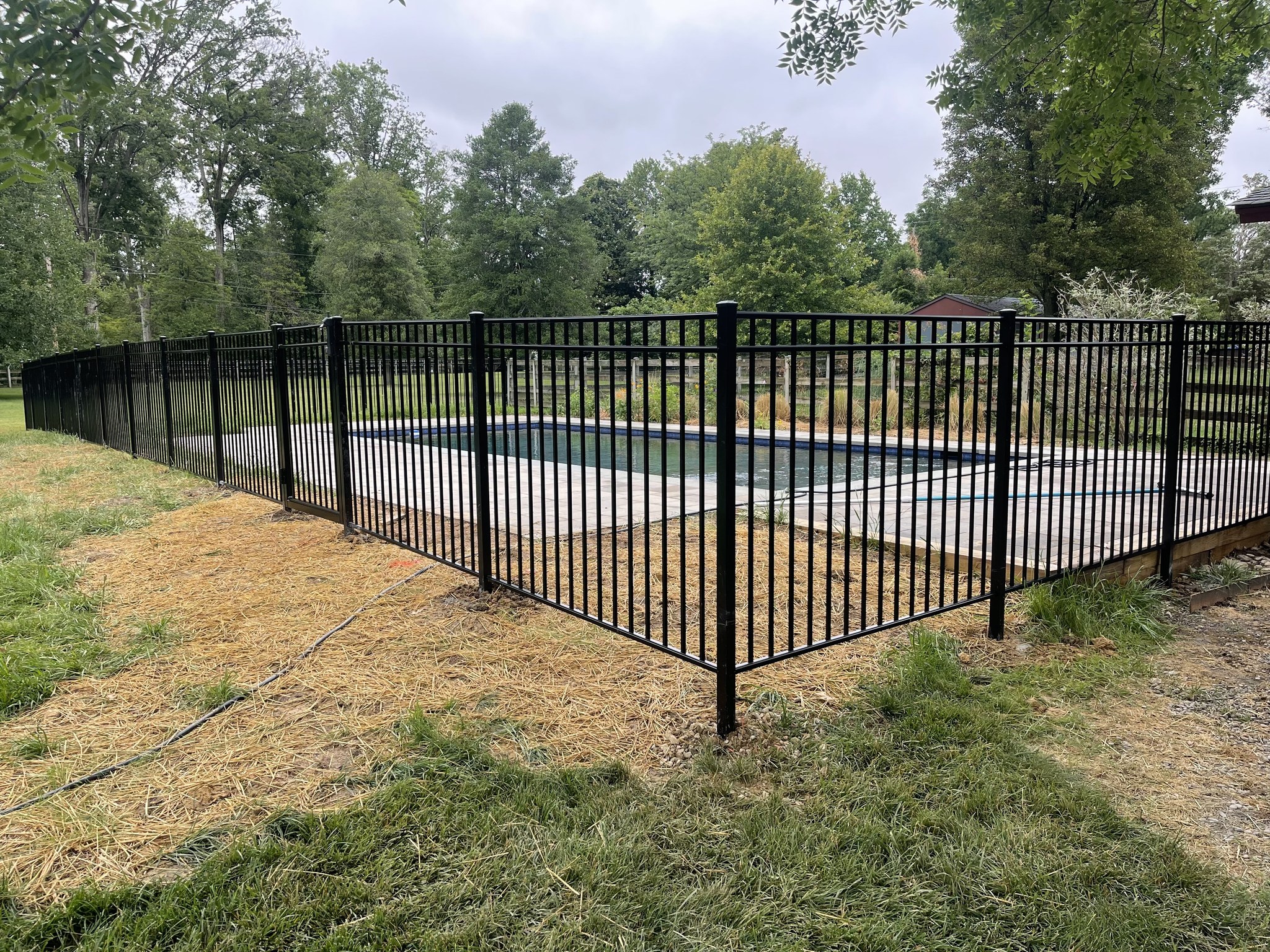
To begin with, assess the architectural style of your home. Whether you have a modern, rustic, or colonial-style home will largely determine the type of fencing that will naturally complement your property. For modern homes, sleek fences with clean lines, such as metal or horizontal wood, often integrate seamlessly with contemporary architecture. Conversely, for rustic homes, natural-looking materials like wood or split rail fencing add charm and character while maintaining a traditional vibe.
Next, consider the color scheme and materials used in your home’s exterior. A home with neutral tones may benefit from contrasting darker fence colors to provide a visual anchor. If your home is rich in color, a neutral or natural wood fence could balance out the aesthetics without overwhelming the senses. The choice of fencing material also plays a pivotal role, both in merging with your home’s materials and in standing up to everyday environmental challenges. Wood, vinyl, metal, and composite fences are popular options, each offering distinct advantages depending on your practical needs and stylistic preferences.
When choosing a fencing style, don’t overlook the importance of continuity in design between your house and its surrounding landscape. Create harmony by choosing a fence style that complements the landscaping elements. For homes with abundant greenery, a picket or lattice fence can offer an open feel and integrate well with lush surroundings. Meanwhile, privacy is a priority for many homeowners, and there are attractive solutions that do not sacrifice style. Solid panel fences made of wood or vinyl can offer both privacy and sophistication, especially when adorned with ornamental post caps or decorative details.
Functionality deserves a mention in any conversation about fencing. Consider what you need from a fence: Is it privacy, security, or perhaps noise reduction? For families with pets or young children, safety and durability may top the list of requirements. Security-focused designs, such as taller fences with secure gates, can provide peace of mind while still maintaining design integrity. Noise reduction can be effectively managed with dense fences using thick materials, which are particularly valuable for homes located near busy roads.
Finally, maintaining your home’s aesthetic through your fencing choice often requires considering local climate conditions and necessary upkeep levels. While wood offers classic beauty, it requires regular maintenance to prevent rot and weather damage. On the other hand, materials such as vinyl and composite are low-maintenance alternatives that mimic the appearance of wood but offer enhanced durability.
In conclusion, selecting a fence that matches your home’s aesthetic is a multifaceted decision that involves understanding your home’s style, the materials involved, landscape harmony, and practical needs. At Williams Fence Company, we are committed to helping you navigate these choices, ensuring your final selection not only meets your practical needs but also adds significant value and beauty to your home. Reach out to our experts today, and let us help you transform your property into a perfect reflection of your style and needs.